







Numi's Wellness Teas Explained: Throat Soother, Congest Away & Damiana Relax
Meet the organic botanicals behind Numi's Herbal Wellness teas — Throat Soother, Congest Away, and Damiana Relax — and how to brew each one for the fullest effect.


A research-backed guide to the health benefits of Green, White, Black, Oolong & Pu-erh Teas — and how to choose the right cup for your wellness goals.
Tea is the second most consumed beverage in the world after water, and for good reason. Beyond its comforting ritual and complex flavor, true tea — green, white, black, oolong, and pu-erh — is one of the most studied plants on earth for its health-supporting properties. Whether you're sipping a bright cup of Jasmine Green or a deep, earthy Pu-erh, you're drinking centuries of tradition backed by a growing body of modern research.
Steeping tea in hot water does more than create a comforting ritual — it enhances extraction of tea's beneficial compounds and their absorption into the body, delivering real, science-backed benefits with every sip.
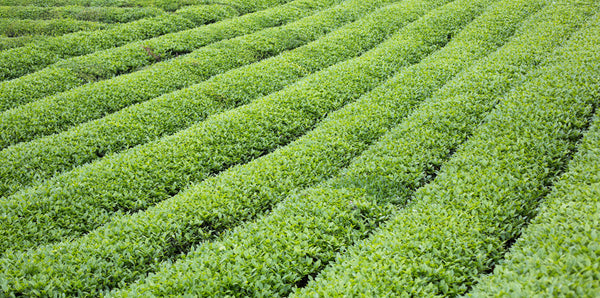
While herbal "teasans" have their own unique place in a wellness ritual, there is a rich history and deep well of health benefits found in the Camellia sinensis plant. This single evergreen bush, predominantly grown in Southeast Asia, is the source of all "true" tea, yielding over 2,000 varieties including white, green, oolong, black, and pu-erh teas, depending on how the leaves are harvested and processed.
Whether you are looking for an antioxidant powerhouse or a mindful way to boost your wellbeing, tea provides both functional benefits and a pleasurable sipping experience.

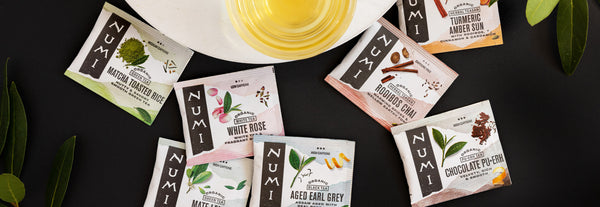
From heart health to metabolism and cognitive function, tea offers a plethora of health benefits with some tea types stronger with certain functions than others. Below is a comprehensive guide of various tea type health benefits matched with Numi flavors.
| BENEFIT CATEGORY | TEA TYPE | SPECIFIC FUNCTION IN BODY | NUMI BLEND |
|---|---|---|---|
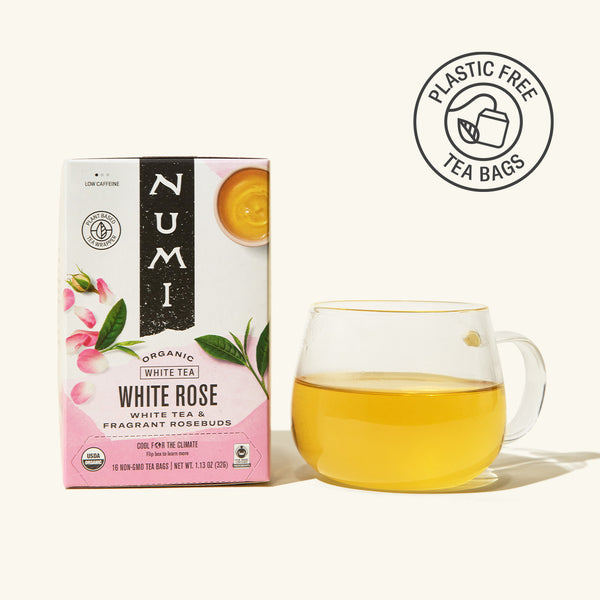
| Antioxidant Powerhouse | White Tea | Minimal processing keeps antioxidants high; known for supporting healthy skin and immune function. |
Orange Spice White Rose |
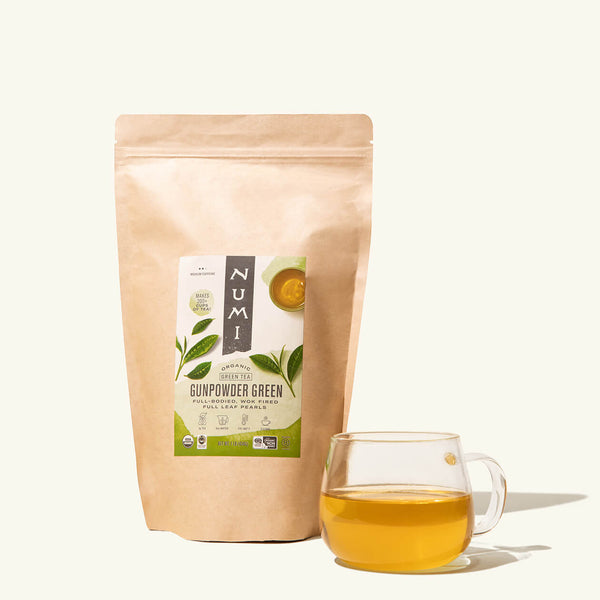
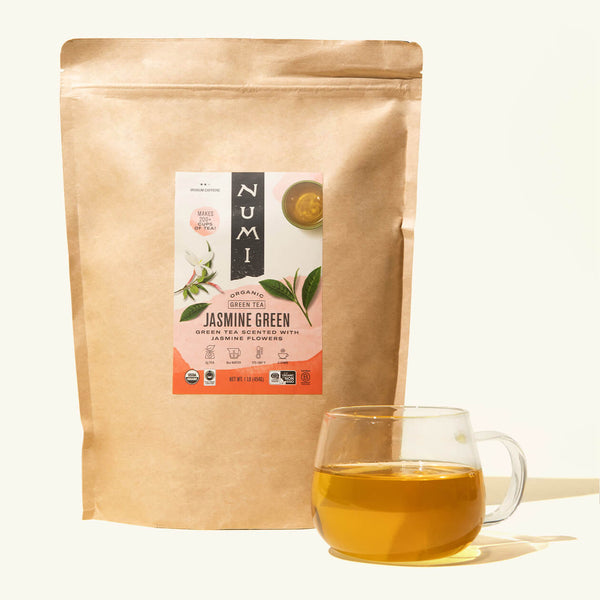
| Metabolism & Focus | Green Tea | Rich in polyphenols and catechins - support metabolism and provide a calm, focused energy boost. |
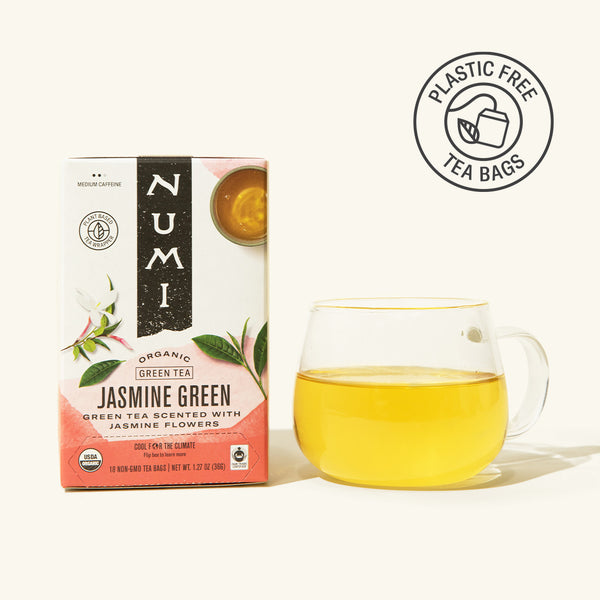
Jasmine Green Gunpowder Green Matcha Toasted Rice Jasmine Pearls - loose Ginger Lemon Mate Lemon |
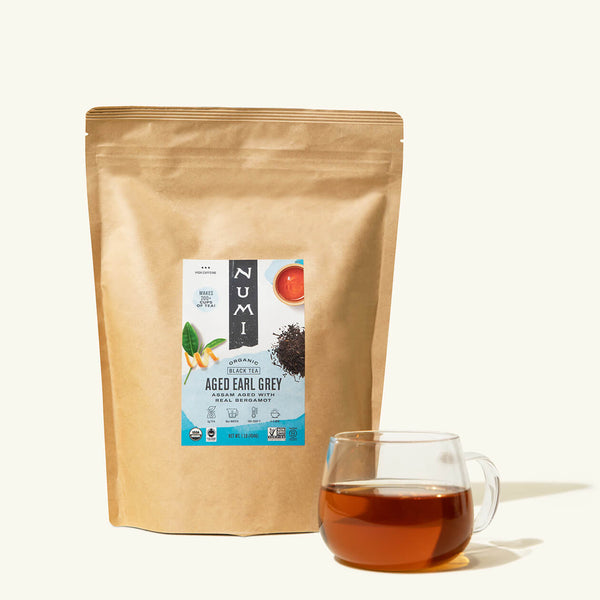
| Heart Health & Energy | Black Tea | High in flavonoids that support cardiovascular health and provide a robust morning energy boost. |
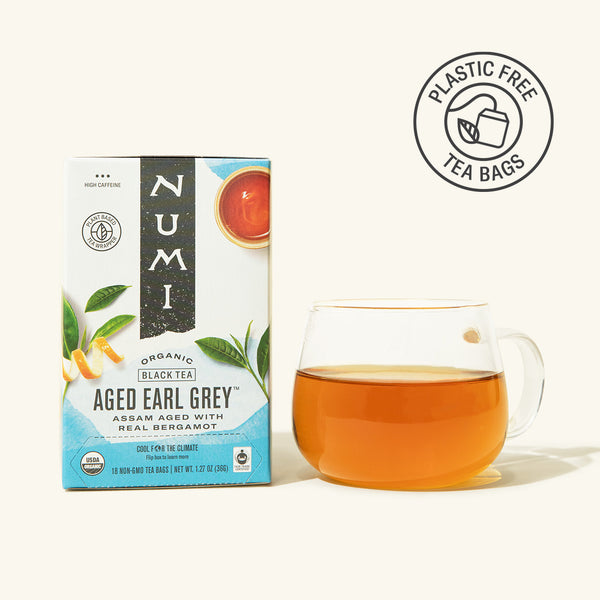
Aged Earl Grey Breakfast Blend Chinese Breakfast Golden Chai |
| Digestive Balance | Oolong Tea | A partially oxidized tea often used to support healthy digestion and weight management. | Ti Kuan Yin - loose |
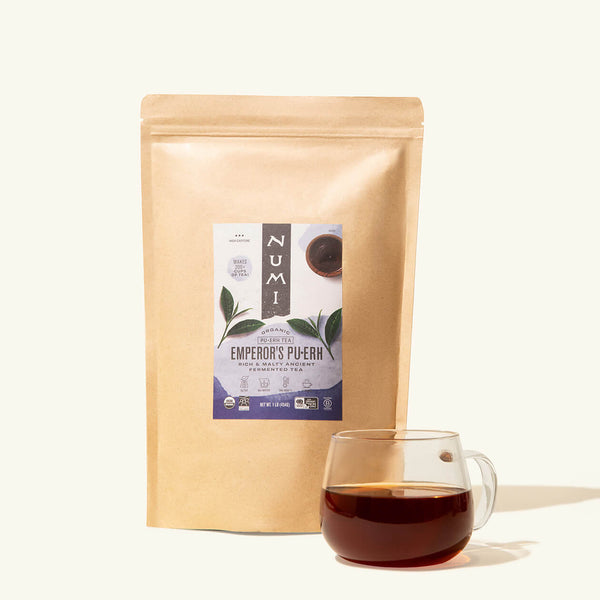
| Detox & Gut Health | Pu-erh Tea | A fermented tea traditionally used in Chinese medicine to aid digestion and act as a gentle detox. |
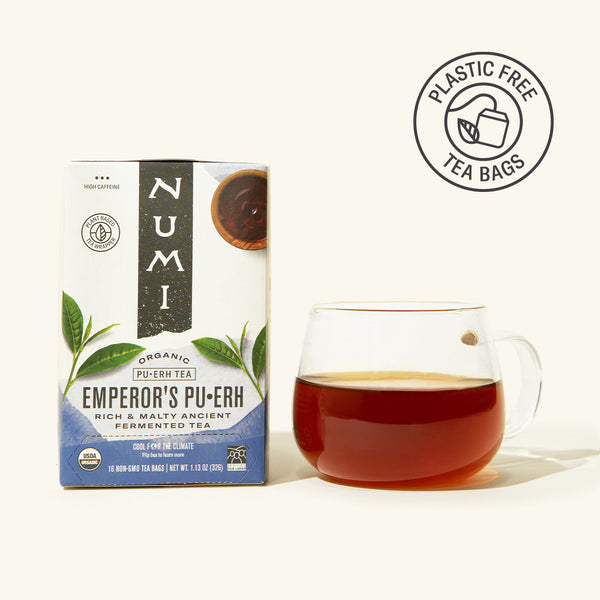
Emperor's Pu-erh Chocolate Pu-erh |
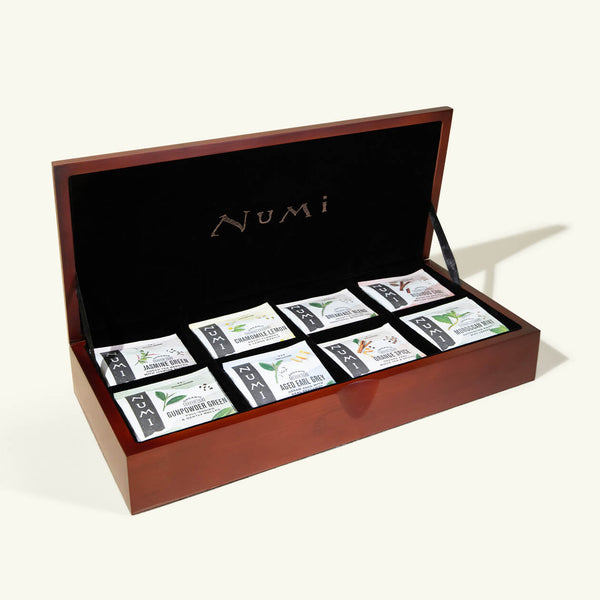
Explore the full range of Numi's organic tea bags and loose leaf selections to find the blend for you.
All five tea types in this guide come from a single plant, Camellia sinensis. What separates green, white, black, oolong, and pu-erh from one another isn't the plant — it's how the leaves are processed after harvest: how much they're oxidized, whether they're withered, rolled, fired, or fermented. That processing determines not just flavor and color, but which specific antioxidant compounds — catechins, theaflavins, thearubigins, or theabrownins — dominate the cup, and therefore which health benefits are most associated with each type.
Why People Choose True Tea:
Matched to corresponding Numi tea blends
| Tea Type | Key Compound | Documented Health Benefit | Research Finding | Numi Blend |
|---|---|---|---|---|
| Green Tea | EGCG (epigallocatechin gallate), a catechin | Heart health / cholesterol support | A large randomized, placebo-controlled trial in postmenopausal women found that green tea extract high in EGCG measurably improved circulating lipid levels, and meta-analyses of green tea trials show consistent reductions in total and LDL cholesterol. Source: pmc.ncbi.nlm.nih.gov/articles/PMC5118731 |
Jasmine Green, Gunpowder Green Matcha Toasted Rice Ginger Lemon Mate Lemon Jasmine Pearls - loose |
| Green tea catechins | Cardiovascular protection | A systematic review of double-blind, placebo-controlled human trials found that green tea catechin supplementation was associated with reductions in body weight, blood pressure, and biochemical markers tied to cardiovascular disease risk. Source: mdpi.com/2306-5710/2/2/16 | ||
| Green Tea | EGCG + L-theanine | Cognitive function / memory | A double-blind randomized controlled trial in adults with mild cognitive impairment found that a combination of green tea extract and L-theanine taken for 16 weeks led to meaningful improvements in memory and attention. Source: alzdiscovery.org/cognitive-vitality/ratings/green-tea | |
| Catechins | Healthy aging / cellular protection | A 2025 clinical review of 17 studies on green tea catechins found consistent evidence of anti-inflammatory and antioxidant benefits across multiple areas of human health, including metabolism and cognitive function. Source: ncbi.nlm.nih.gov/pmc/articles/PMC12348855 | ||
| White Tea | Catechins (especially EGCG) + Vitamin E | Superior antioxidant capacity | Because white tea leaves are the least processed of all tea types, they retain the highest concentration of catechins; a comparative study of tea infusions found white tea has the highest antioxidant activity and phenolic content of the tea types tested. Source: pmc.ncbi.nlm.nih.gov/articles/PMC11508276 |
Orange Spice White Rose |
| Catechin derivatives | Skin health / anti-aging | Laboratory research comparing 21 plant species found that white tea extract inhibited the skin-aging enzymes elastase and collagenase more effectively than the other plant extracts tested, and a separate human skin study found white and green tea extracts reduced UV-induced oxidative DNA damage. Sources: pmc.ncbi.nlm.nih.gov/articles/PMC2728709, onlinelibrary.wiley.com/doi/10.1111/j.1600-0625.2008.00818.x | ||
| Polyphenols | Cellular / free radical protection | A scientific review of white tea's antioxidant profile found it has the highest phenolic content of all tea types, giving it meaningful potential for supporting healthy aging at the cellular level, though researchers note more human clinical trials are still needed. Source: journaljpri.com/index.php/JPRI/article/view/5142 | ||
| Black Tea | Theaflavins | Cholesterol management | Research has shown that theaflavins, the polyphenols responsible for black tea's dark color, can help reduce how much cholesterol the digestive system absorbs. Source: health.clevelandclinic.org/black-tea-benefits |
Aged Earl Grey Breakfast Blend Chinese Breakfast Golden Chai |
| Flavonoids / theaflavins | Stroke risk reduction | A meta-analysis pooling data from nine studies on nearly 195,000 adults found that drinking roughly three cups of black tea daily was associated with a reduced risk of stroke. Source: pmc.ncbi.nlm.nih.gov/articles/PMC6512146 | ||
| Theaflavins + quercetin | Overall cardiovascular mortality | Long-term observational research found that drinking at least two cups of black tea daily was linked to a meaningfully lower risk of death from cardiovascular disease, and that risk continued to decline the more tea participants drank. Source: uclahealth.org/news/article/6-health-benefits-of-drinking-black-tea | ||
| Oolong Tea | Combined catechins + theaflavins | Metabolism / energy expenditure | A controlled human study found that oolong tea consumption increased 24-hour energy expenditure, suggesting a role in supporting metabolic rate and fat oxidation. Source: sciencedirect.com/science/article/pii/S0022316622144937 | Ti Kuan Yin - loose |
| Oolong polyphenols | Blood sugar support | A clinical study in people with type 2 diabetes found that drinking oolong tea daily significantly lowered blood sugar and fructosamine levels compared with water, though researchers note results across studies have been mixed. Source: pubmed.ncbi.nlm.nih.gov/12766099 | ||
| Polyphenols | Weight management | A six-week human study found that daily oolong tea consumption helped many overweight and obese participants reduce body weight and improve blood fat levels, an effect researchers attribute to improved fat metabolism and reduced fat absorption. Source: link.springer.com/article/10.1007/s11655-009-0034-8 | ||
| Pu-erh Tea | Theabrownins | Cholesterol / lipid metabolism | Clinical research has identified theabrownin, a pigment unique to fermented pu-erh tea, as a key driver of its cholesterol-lowering effect, working by modulating gut microbiota and bile acid metabolism. Source: pmc.ncbi.nlm.nih.gov/articles/PMC6823360 |
Emperor's Pu-erh Chocolate Pu-erh |
| Fermentation-derived polyphenols | Gut microbiome support | Research has linked regular pu-erh consumption to beneficial shifts in gut bacterial populations along with modest reductions in LDL cholesterol observed in controlled trials. Source: sciopen.com/article/10.7506/spkx1002-6630-20230929-261 | ||
| Theabrownins + tea polysaccharides | Metabolic / weight support | Animal research found that pu-erh tea extract remodeled gut microbiota and increased energy expenditure, contributing to reduced fat accumulation, an effect consistent with pu-erh's traditional use to support digestion after rich meals. Source: ncbi.nlm.nih.gov/pmc/articles/PMC12853662 |
Note: Tea offers promising, research-backed wellness support, but it is not a substitute for medical treatment. As with any dietary change, talk with your healthcare provider about what's right for you, especially if you are pregnant, nursing, or managing a health condition.
One of the most compelling — and consistent — areas of tea research spans all tea types: brain health. A prospective cohort study of nearly 378,000 UK Biobank participants followed over nine years found that regular tea drinkers were 16% less likely to develop dementia than non-drinkers, even after adjusting for age, lifestyle, and genetic risk factors. Researchers point to the combination of catechins, caffeine, and L-theanine as the likely mechanism, working together to support antioxidant activity and healthy blood flow to the brain. Multiple longitudinal studies out of China and Singapore have found similar associations between regular tea consumption and slower cognitive decline in older adults. Source: ncbi.nlm.nih.gov/pmc/articles/PMC9042826
At Numi, we source whole-leaf, organic tea from farms and gardens we know, and we process it to preserve — rather than mask — the natural compounds that give each tea type its character and its benefits. We don't cut corners with dust, fannings, or artificial flavorings. From a delicate White Rose to a rich Emperor's Pu-erh, every Numi tea is crafted so that the ritual of drinking it is as good for you as it tastes.
Tea is more than a beverage — it's one of the most researched functional foods in the world, offering documented support for heart health, metabolism, cognitive function, and healthy aging depending on which type you reach for. Whichever cup speaks to you, know that with every organic, full-leaf Numi organic tea, you're drinking centuries of tradition paired with real, growing scientific support — and making a conscious choice for your well-being and the planet.

