





From Garden to Cup: What Numi’s Fair Trade Efforts Have Built for Workers and Their Families


Behind every cup of tea are the people who grow and harvest what’s inside. In celebration of Fair Trade Month, we’re taking you to the gardens to see what Fair Trade means in practice, how it’s different from other labels, and how it has helped the communities behind your favorite Numi tea.
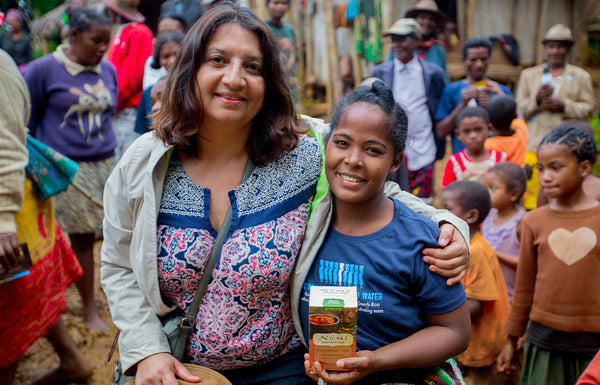
October is Fair Trade Month, a good moment to ask where the things we love come from and who made them. For 25+ years, we’ve worked directly with small-scale farmers in over 35 countries, and Fair Trade is one of the most important ways we make sure the people who grow our tea share in its success. As the largest brand importer of Fair Trade Certified teas to North America, it’s a commitment we take seriously.
Below, we’ll walk through what Fair Trade is, how it compares with other certifications, and what Numi’s Fair Trade funds have built at the garden level.
What Is Fair Trade?
Fair Trade is a certification system that makes sure the farmers and workers behind a product are paid fairly, work in safe conditions, are ensured environmental protections, and have a say in their communities’ future. The Fair Trade Certified™ label on Numi’s boxes comes from Fair Trade USA, the leading nonprofit certifier of Fair Trade products in North America. You’ll find the Fair Trade seal on other products including coffee, chocolate, cocoa, sugar, fruits, even clothing and textiles. On-site farm visits and audits are routinely conducted by local and objective third parties to ensure that what happens in the fields matches the rigorous social, economic, and environmental standards required by the label. A product with this seal ensures strong, transparent supply chain standards are applied.
Here’s what sets Fair Trade apart:
- Fair wages and safe working conditions. Certified farms and estates must meet standards that protect workers, from fair pay to safe conditions on the job.
- A Fair Trade Premium. On top of the price of the tea, brands like Numi pay a community premium: extra funds that go directly to a fair trade fund.
- A democratic vote. This is the heart of Fair Trade. The farmers and workers decide together how to spend the premium, through an elected committee (on tea estates, often called a Joint Body). Often balanced with female and male representation, that body votes on where funds will be allocated.
- Transparency you can trace. Certification means independent verification, not just a promise on a package.
At Numi’s gardens of origin, communities have voted to invest Fair Trade funds in roads, cooking stoves, mosquito nets, new schools, college scholarships, maternity benefits, and on-site medical staff. To date, Numi has contributed more than $1 million in Fair Trade Premiums. Learn more on our Fair Trade & Beyond page.
How Fair Trade Is Different from Other Certifications
It’s common to see a handful of seals on a food packaging, and they’re not interchangeable. Each one answers a different question.
USDA Organic: How was it grown? Organic standards govern farming practices: no synthetic chemicals and no GMOs. That protects the soil, the water and the people who handle the crop. What organic certification doesn’t cover is wages, working conditions or community investment. All Numi teas are USDA Organic, and Fair Trade is the other half of the story.
Fair Trade Certified: Who benefits, and who decides? Fair Trade looks at the people. It focuses on fair pay, safe conditions and the community Premium that workers and farmers control.
Rainforest Alliance: How is the land managed? Rainforest Alliance certification centers on sustainable farming practices and protecting forests, wildlife and climate, with social requirements for workers built into its standard. It’s a respected program with a different emphasis. Fair Trade’s signature feature is the Premium that the community votes on.
Fairtrade International vs. Fair Trade USA. These are two separate organizations with their own labels and similar goals. Numi’s boxes carry the Fair Trade Certified™ label from Fair Trade USA.
“Ethically sourced” and “direct trade.” Who checked? Phrases like these have no standard definition and no outside verification behind them. A certification means an independent auditor has looked at the farm, not just marketing-speak.
Verified Fair Labor™: Numi’s own program for where Fair Trade isn’t available. Not every farm we love to work with falls under Fair Trade, and we didn’t like leaving them out. So we created Verified Fair Labor™, a continuous improvement program audited annually by a third party. Growers must be certified organic, and the program encourages direct partnerships and a hands-on role in the social development of the supply chain, so workers earn fair wages and work safely.
Numi’s Fair Trade Impact
Here’s a look at what some select communities have chosen to build with their Fair Trade Premiums.
Jiangxi, China: The First Fair Trade Garden in China
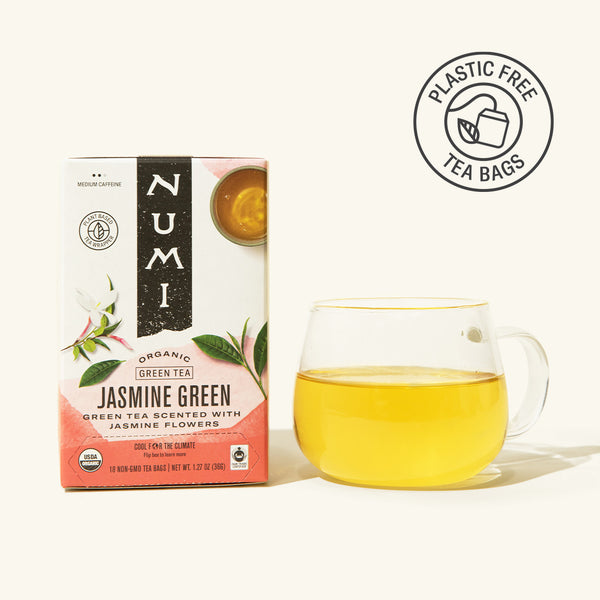
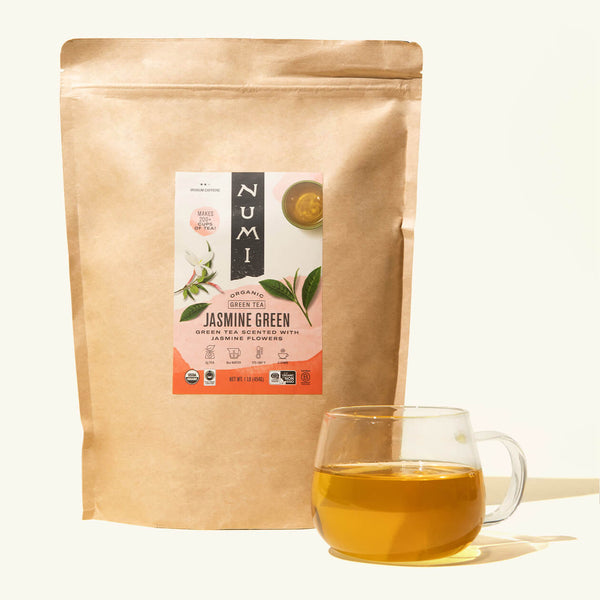
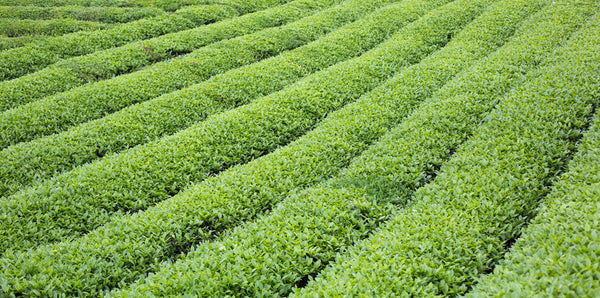
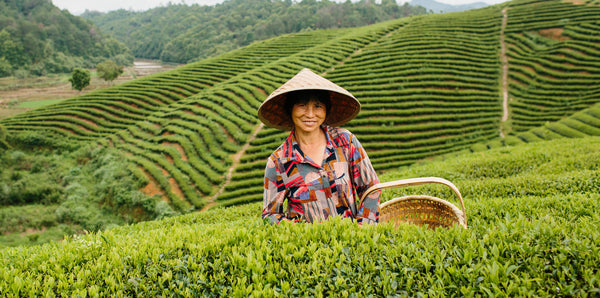
Our Jasmine Green comes from the first Fair Trade garden in China, in Jiangxi Province, where rich soil and dramatic changes in daily temperature create a fragrant leaf. Since the garden became Fair Trade Certified, workers’ wages have increased 30–40% from tea sales. Premiums have also been invested in education for tea workers’ children, including a school dormitory, and support for students through high school and university. Every cup of jasmine gives back.
Assam, India: Tonganagaon, the Largest Organic Fair Trade Tea Estate in India
Most of our black teas, including Golden Chai, Aged Earl Grey and Breakfast Blend, are grown in Assam, India, at Tonganagaon. Here, workers have voted to put Fair Trade funds toward school scholarships, new roads, mosquito nets and women’s self-empowerment programs. They’ve also purchased clean-burning cook stoves and food-safe aluminum containers so workers can bring their lunches to the garden.
Egypt: Chamomile Along the Nile
Our Chamomile Lemon is made with fine chamomile blossoms grown along the banks of the Nile River. Fair Trade Certification has given our partners at the Sakaran cooperative the funds to purchase a school bus, helping children get to and from school.
To learn more, visit Fair Trade and Flocert, it’s international auditing arm.
Beyond the Premium: Together for H2OPE
Numi Foundation is a non-profit arm of Numi and has stepped in where we see a need. In 2015 after visiting the turmeric gardens in Madagascar and seeing that access to clean water was a dire issue, we launched Together for H2OPE, a nonprofit program that brings clean, safe drinking water to tea-farming communities. It’s led by the farmers and their communities, with long-term plans to keep water flowing for future generations. So far, the program has brought clean water access and sanitation to 10,500 people in Madagascar and India.
Madagascar: our turmeric community. After learning that families on our turmeric farms were falling ill from the contaminated water they relied on, Together for H2OPE built 23 new wells for 4,000 farmers and their families and trained the community in well repair and water sanitation. For many, it was the first time they’d had clean, safe drinking water. You can find turmeric in Turmeric Amber Sun and Turmeric Three Roots.
India: Tonganagaon. Working with Women’s Earth Alliance, the local NGO PBET and the farming community, we focused on community-led sanitation and hygiene education, largely led by women, along with the distribution of water filters. The results for more than 6,500 family members: an 80% decrease in water-borne illness and a 90% decrease in work and school absenteeism.
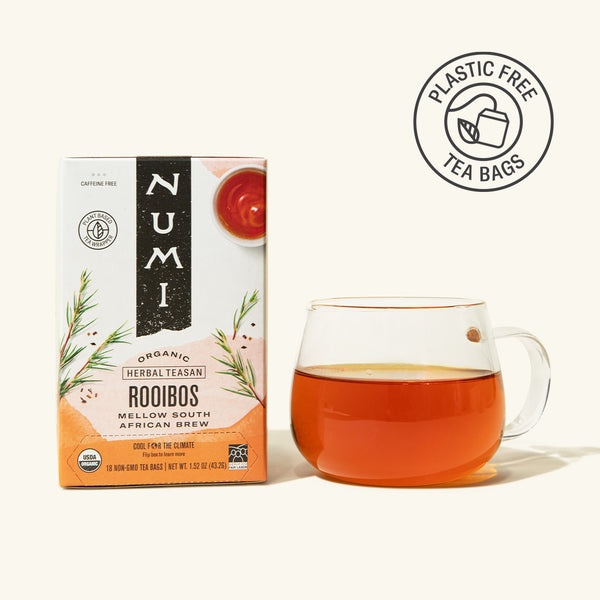
South Africa: our rooibos farm. We drilled a well on the small-scale organic rooibos farm we’ve worked with since our company’s founding, bringing clean water to workers and their families for the first time. The project also added toilets, showers and a rooftop solar hot water heater.
Sip the Difference: Every Fair Trade Certified Numi Organic Tea
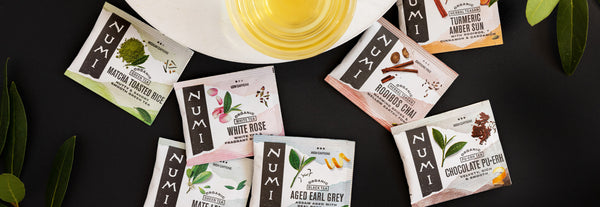
Ready to sip the teas that make a difference? Here is every tea in our Fair Trade Certified collection. Fair Trade Certified ingredient content varies by blend, so check each ingredient list for what’s certified.
Black Teas
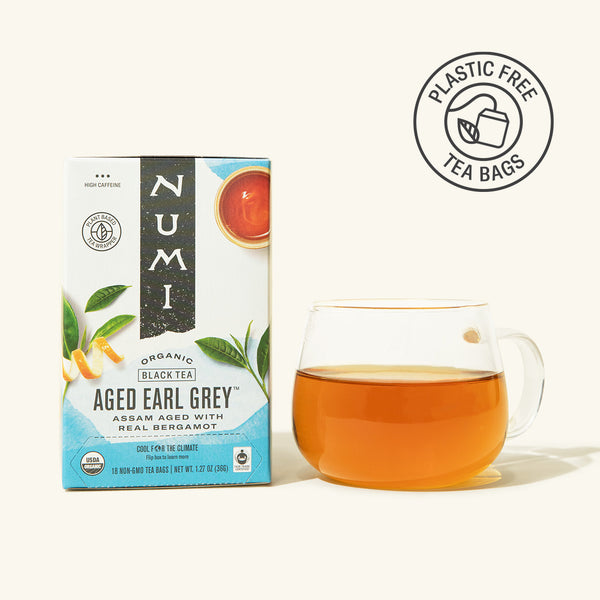
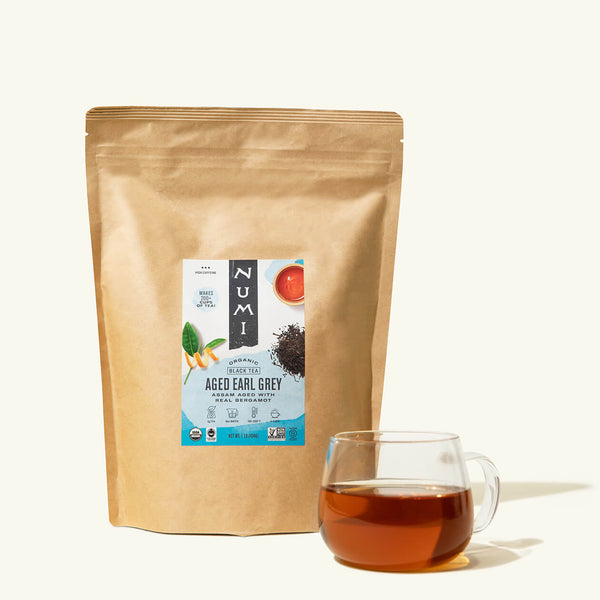
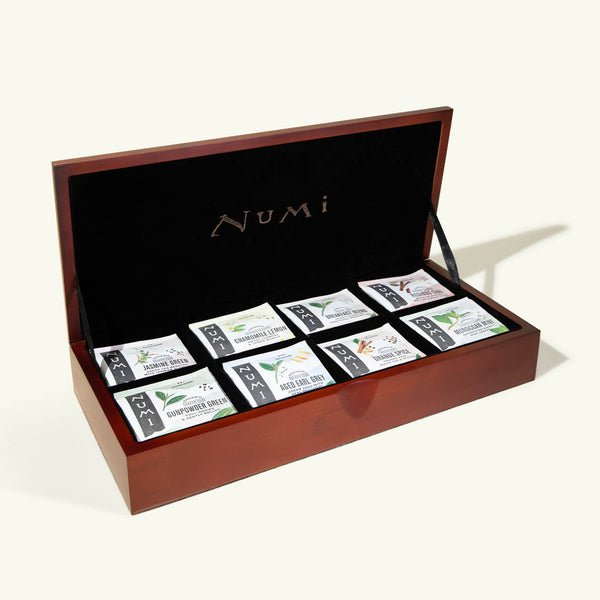
- Aged Earl Grey: Assam black tea with bergamot
- Breakfast Blend: a robust blend of black teas from India and Sri Lanka
- Golden Chai: Assam black tea with cinnamon, ginger, anise and cardamom
Green and White Teas
- Jasmine Green: green tea triple-scented with night-blooming jasmine
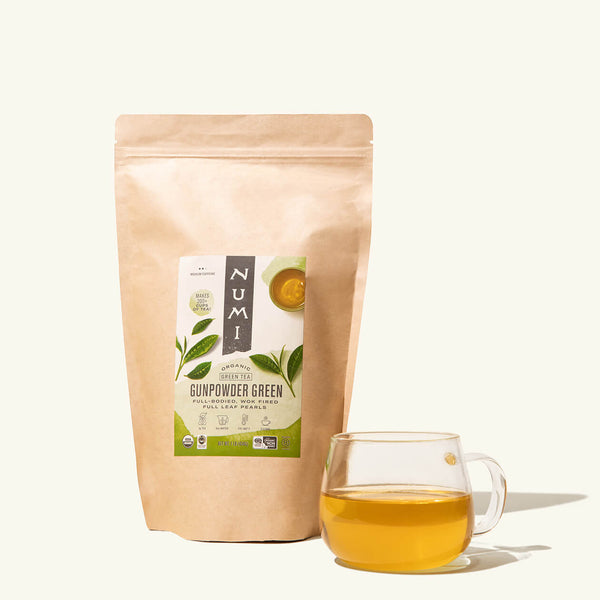
- Gunpowder Green: rolled green tea pearls that unfurl in your cup
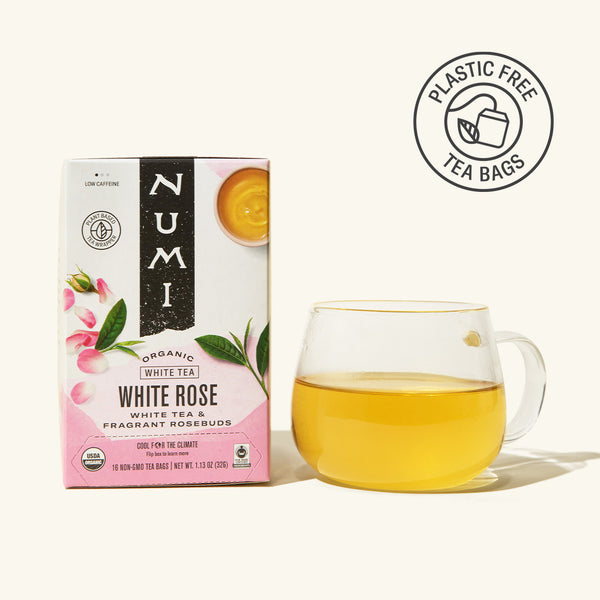
- White Rose: Bai Mu Dan white tea with rosebuds
- Mate Lemon: yerba mate, lemon myrtle and Fair Trade green tea
- Ginger Lemon: decaf green tea with ginger and lemon
- Orange Spice: real orange peel and warming spices
Herbal Teas
- Chamomile Lemon: calming chamomile with lemon myrtle
- Moroccan Mint: Fair Trade Certified mint, bright and refreshing
- Dry Desert Lime: our namesake tart, smoky dried lime
- Hibiscus: a bold floral blend, delicious cold brewed
- Sweet Slumber: a calming bedtime blend of valerian, chamomile and lavender
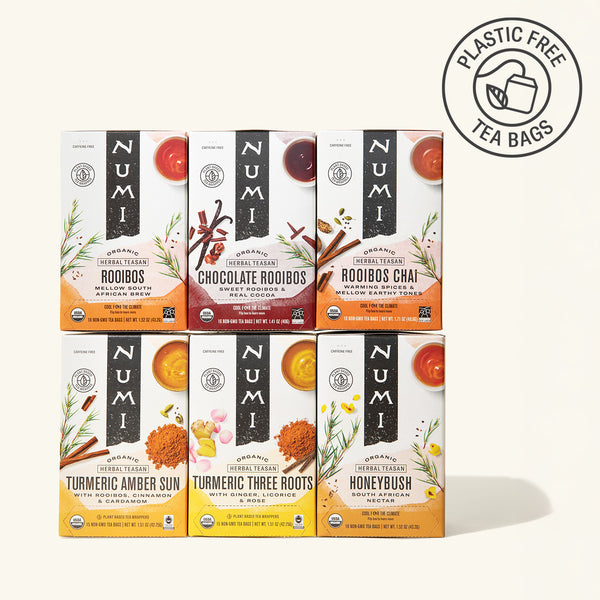
- Turmeric Amber Sun: turmeric with rooibos, honeybush and warming spices
- Turmeric Three Roots: a golden turmeric herbal blend
- Immune Support: sweet, herbaceous elderberry and elderflower
- Congest Away: a soothing herbal wellness blend
Every Cup Is a Vote
Fair Trade Month is a reminder that small choices add up. When you choose a Fair Trade Certified tea, you’re helping a worker in Assam send a child to school, helping a cooperative along the Nile bus their children to school, and supporting a garden in China where wages have risen 30–40%. That’s the kind of cup we’re proud to pour.
Find your next cup at numitea.com. Tell us how you’re celebrating Fair Trade Month by tagging us @numiorganictea.
Cheers!
The Numi Tea’m